Few things are more frustrating than a car that won’t start, especially if the problem keeps happening. If you’ve noticed your car battery isn’t charging, your alternator could be to blame. The alternator plays a crucial role in keeping your battery powered while driving, and when it fails, you’re left with a car that won’t start no matter how many times you jump it.
In this guide, we’ll break down why your alternator might not be charging your battery, common signs of alternator failure, and what you can do to fix it before you’re stranded.
How the Alternator Charges Your Battery
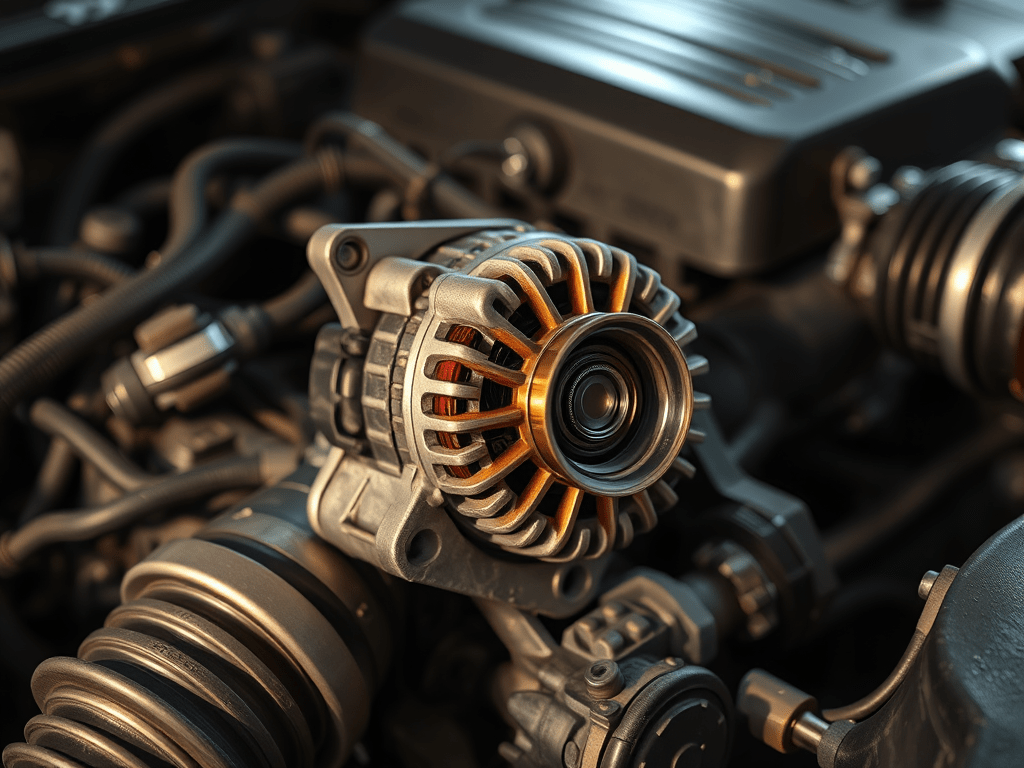
Your car’s alternator is like a mini power plant. While your engine runs, the alternator generates electricity and sends it to your battery, keeping it charged. It also powers your car’s electrical components, like headlights, radio, and power windows.
But if your alternator stops working properly, your battery won’t get the charge it needs. This leads to a dead battery, dim headlights, and a car that won’t start.
Signs Your Alternator Isn’t Charging Your Battery
If your alternator is failing, your car will give you warning signs before the battery completely drains. Look out for these common symptoms:
1. Battery Warning Light on the Dashboard
One of the first indicators of an alternator problem is the battery warning light or a message like “Check Charging System.” This light means your car detects a charging issue.
2. Dim or Flickering Headlights
Since the alternator powers your lights, failing to generate enough electricity can cause dim or flickering headlights, especially at night or when using other electrical components.
3. Electrical Issues
If your radio cuts out, power windows move slowly, or dashboard lights flicker, your alternator might not be supplying enough power.
4. Dead Battery (Even After a Jump)
If your battery dies but works temporarily after a jump start, then dies again shortly after, the alternator isn’t recharging it. A healthy alternator should keep the battery charged even after a jump.
5. Strange Noises (Grinding or Whining)
A failing alternator can produce grinding or whining noises, often due to worn-out bearings or a bad voltage regulator.
6. Burning Smell
If you smell something like burning rubber, your alternator’s belt might be slipping, preventing it from charging your battery properly.
Why Your Alternator Isn’t Charging the Battery
1. Worn or Broken Alternator
Over time, alternators wear out. The internal components (like the voltage regulator, diodes, or bearings) can fail, causing your alternator to stop charging your battery.
Solution: If your alternator is more than 5-7 years old, it may need replacement.
2. Loose or Corroded Battery Cables
If the cables connecting your battery to the alternator are loose or corroded, they can prevent the battery from receiving a charge.
Solution: Check your battery terminals for corrosion (white or green buildup). Clean them with baking soda and water, then tighten any loose connections.
3. Bad Serpentine Belt
Your alternator is powered by a serpentine belt. If this belt is worn, loose, or broken, the alternator can’t generate electricity.
Solution: Inspect the belt for cracks or looseness and replace it if needed.
4. Blown Fuse or Bad Wiring
Some vehicles have a fuse in the charging system. If this fuse blows, the alternator won’t charge the battery. Additionally, damaged wiring can interrupt the charging process.
Solution: Check your owner’s manual for the alternator fuse location and replace it if blown. For wiring issues, consult a mechanic.
How to Fix an Alternator That Won’t Charge Your Battery
If you suspect an alternator issue, follow these steps:
Step 1: Test the Battery First
Use a multimeter to check the battery voltage. A fully charged battery should read 12.6 volts when the car is off and 13.5 to 14.5 volts when the engine is running. If the voltage doesn’t increase when the engine is running, the alternator isn’t charging.
Step 2: Check for Loose Connections
Inspect your battery cables and alternator wiring. Tighten any loose connections and clean off corrosion.
Step 3: Inspect the Serpentine Belt
If the belt is worn, cracked, or slipping, replace it. A mechanic can check belt tension and alignment.
Step 4: Get a Professional Alternator Test
A professional mechanic can test your alternator output and determine if it needs to be repaired or replaced.
When to Replace Your Alternator
If your alternator is completely dead or failing frequently, replacing it is the best solution. Most alternators last 80,000 to 150,000 miles, so if yours is near that range and causing issues, it’s time for a new one.
A professional can install a new alternator and test your entire charging system to ensure everything is working correctly.
Don’t Get Stranded – Get Your Alternator Tested Today!
If your car battery isn’t charging and you suspect alternator trouble, don’t wait until you’re stuck with a dead battery! At [Your Shop Name], we offer free battery and alternator testing to diagnose the issue fast.
🔧 Schedule your alternator test today and get back on the road with confidence! Call [Your Phone Number] or visit [Your Website] now!
Homer’s Auto Electric Partners with Agencies to fix Impossible Automotive Electrical Issues
Homer’s Auto Electric is esteemed by Houston’s leading dealerships and auto repair facilities. Our expertise lies in OEM and aftermarket module programming, ensuring precision and reliability. Reach out to us for swift turnaround times and exceptional dealer-level diagnostics provided by our seasoned specialists at Homer’s.
50
Years of Experience
40+
Partnerships with Houston Dealerships
10,000+
Diagnosed Vehicles
24/7
Response Time


 Homers Auto Electric